Kenya is accelerating plans to transform the sugar industry into a major producer of electricity and biofuel, with the Government pushing sugar factories to supply power to the national grid while expanding ethanol production to reduce fuel imports and strengthen energy security.
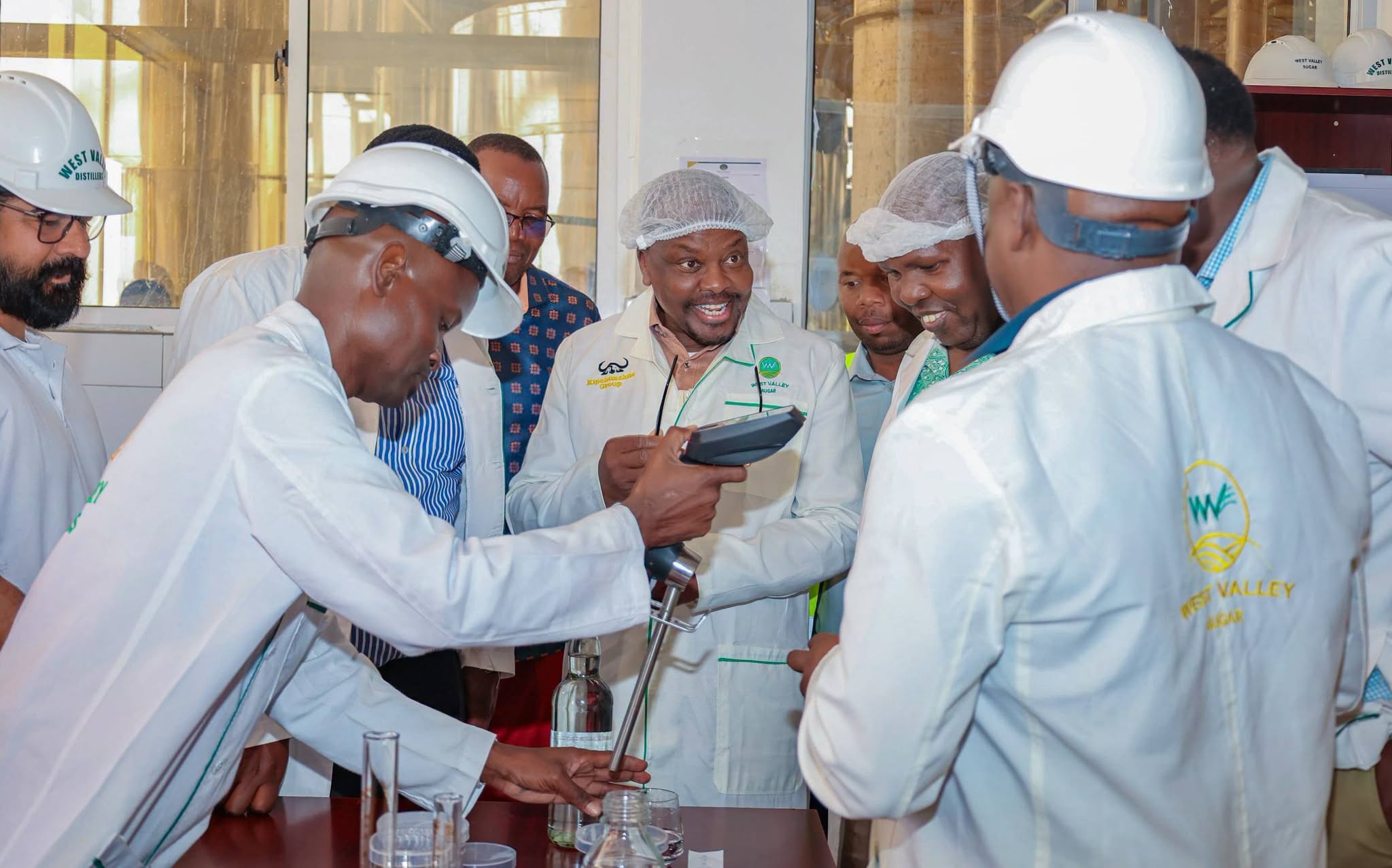
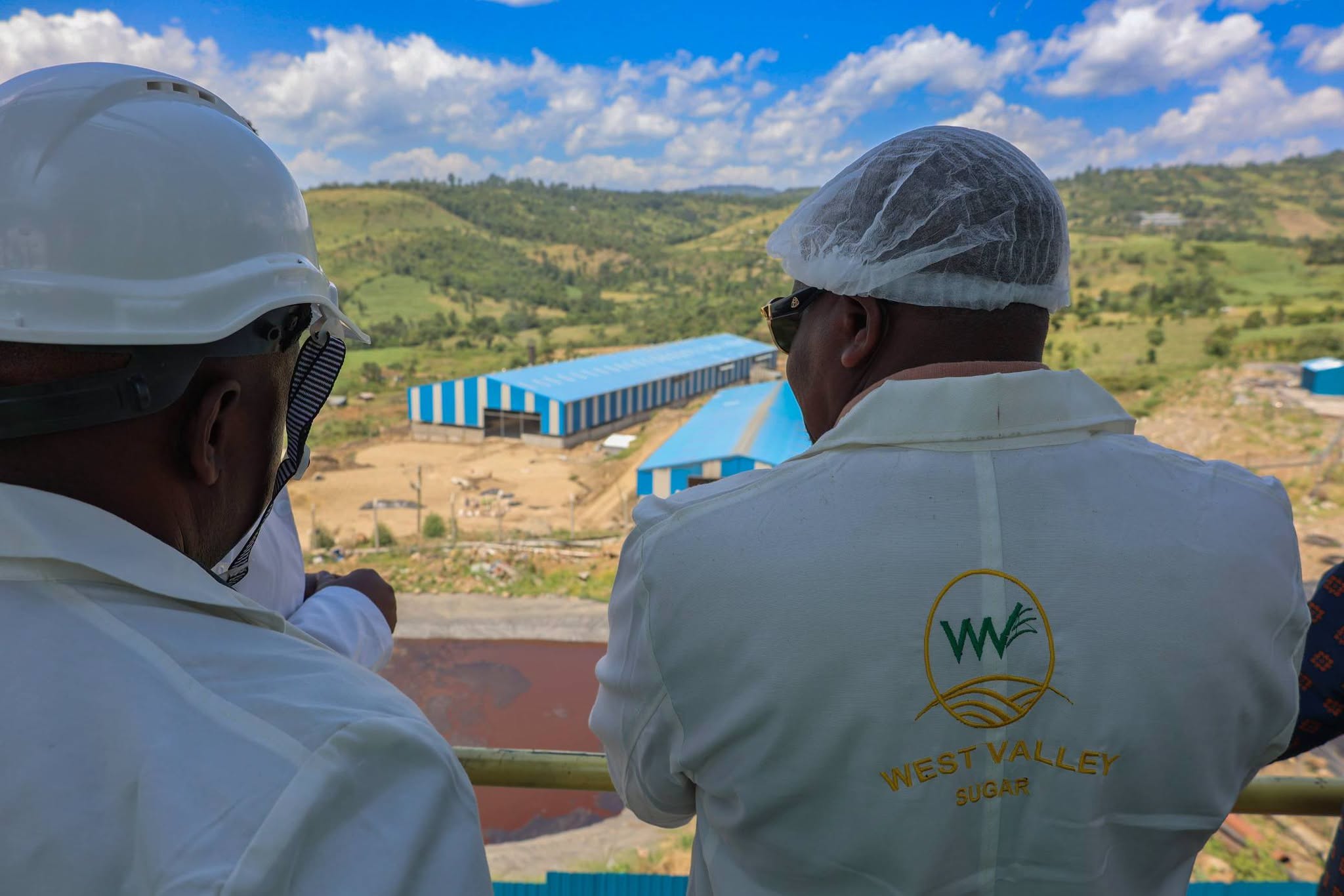
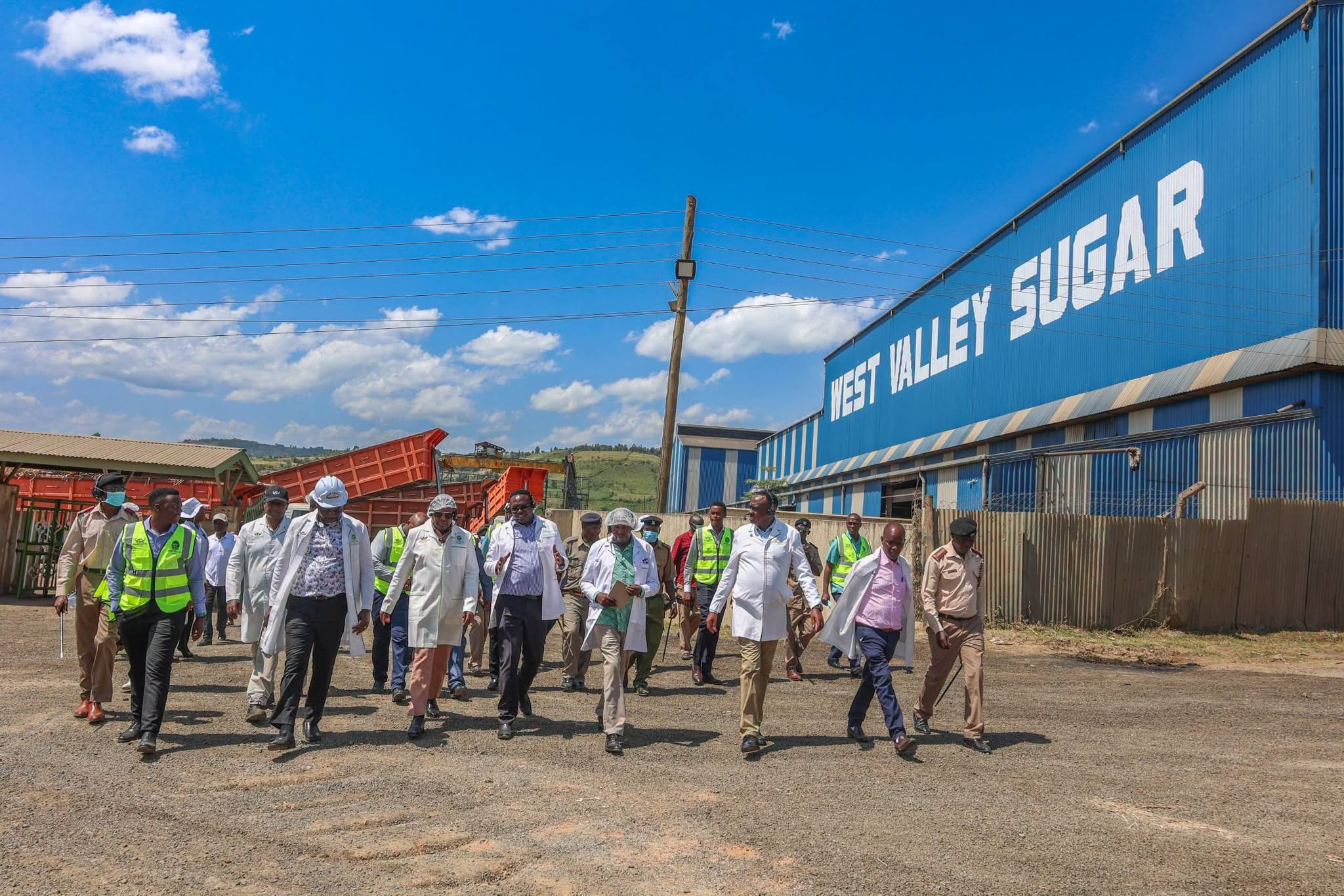
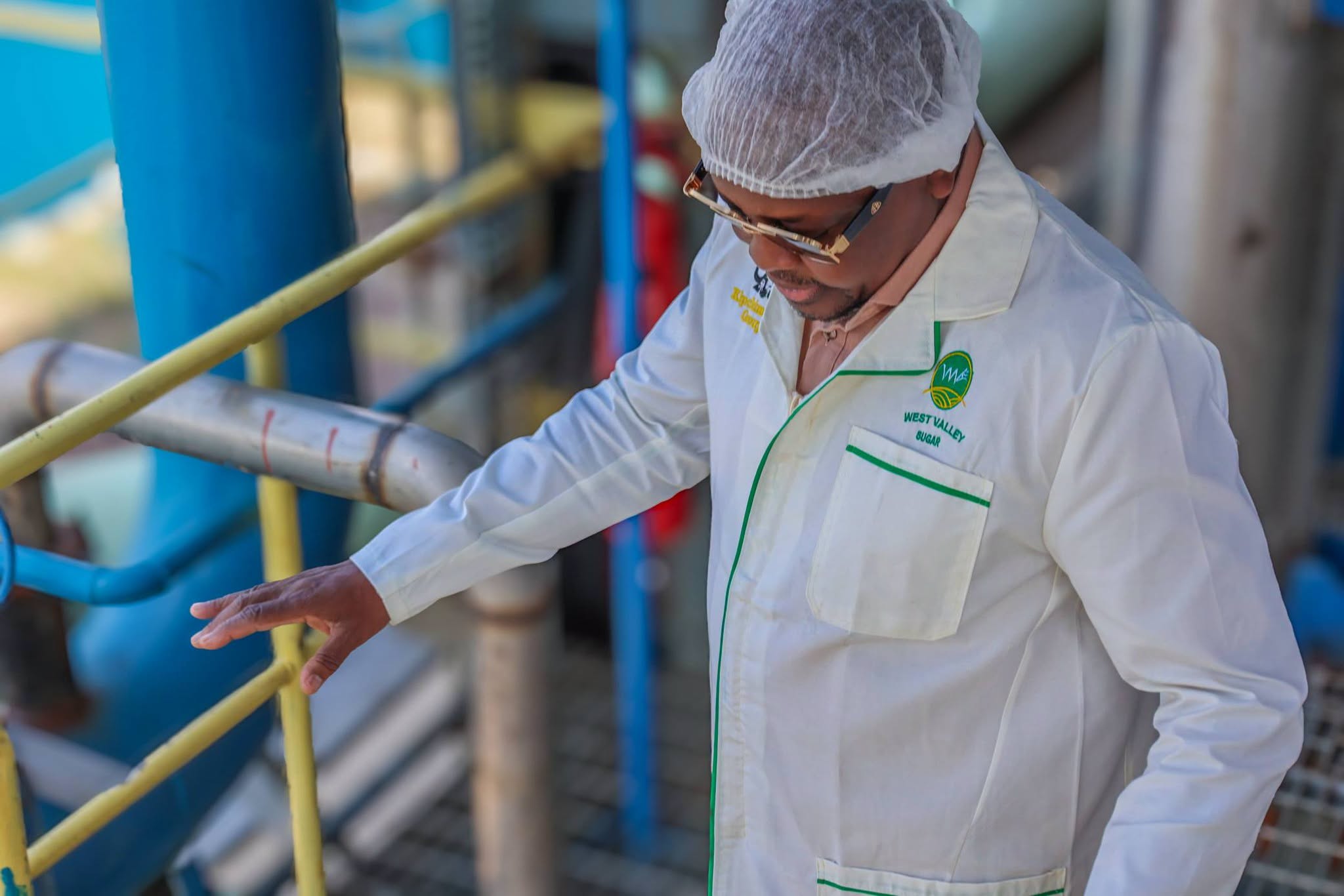
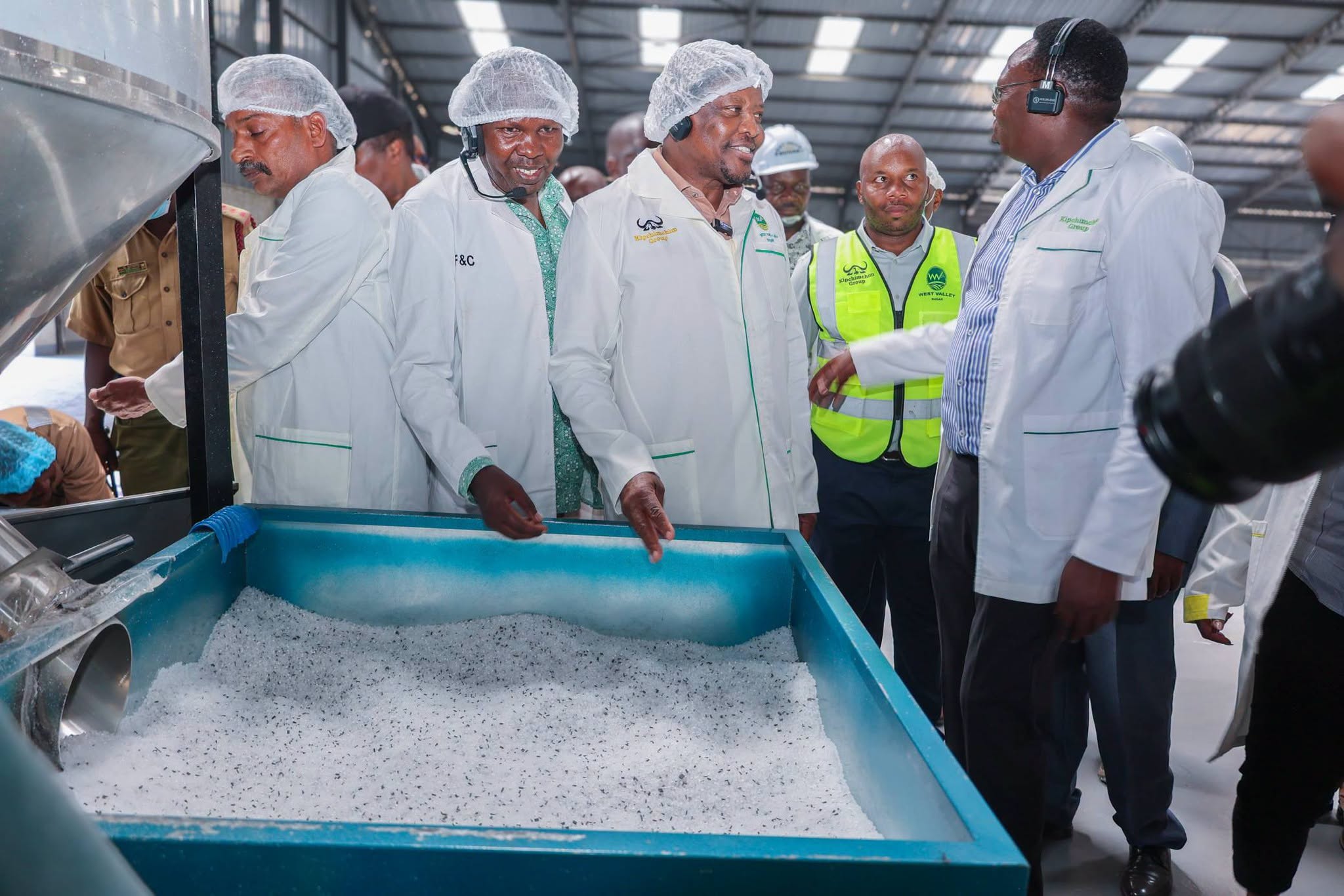
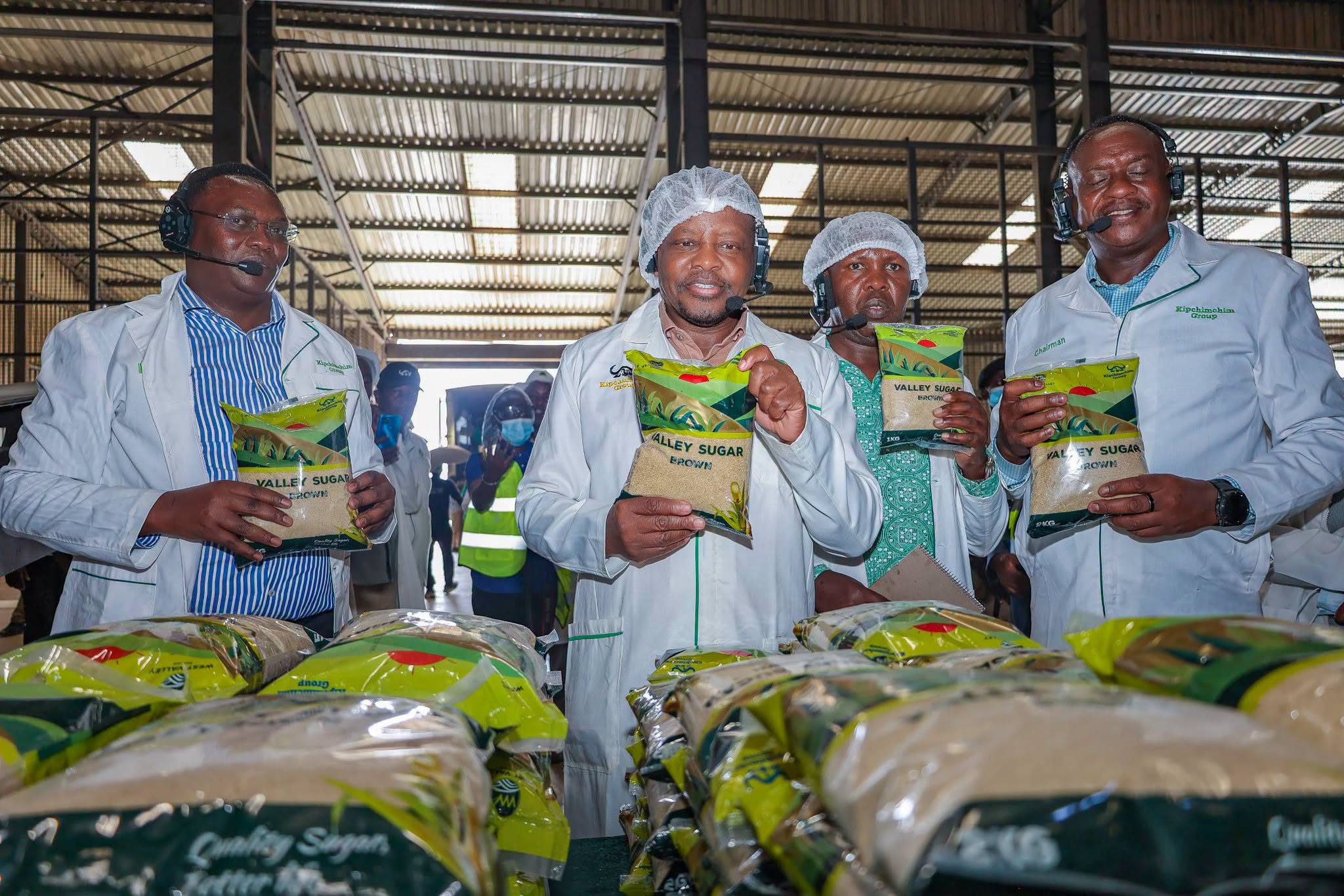
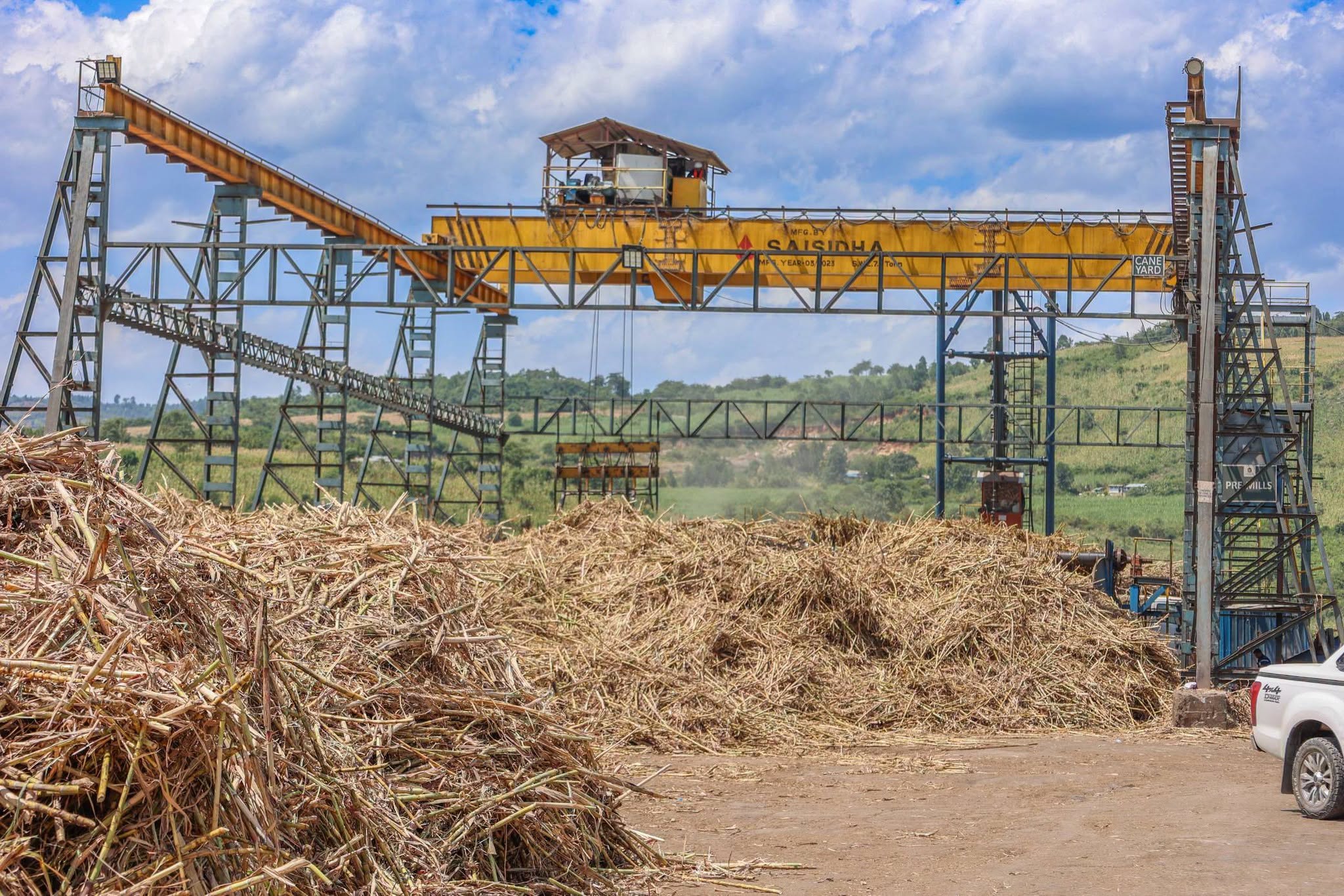
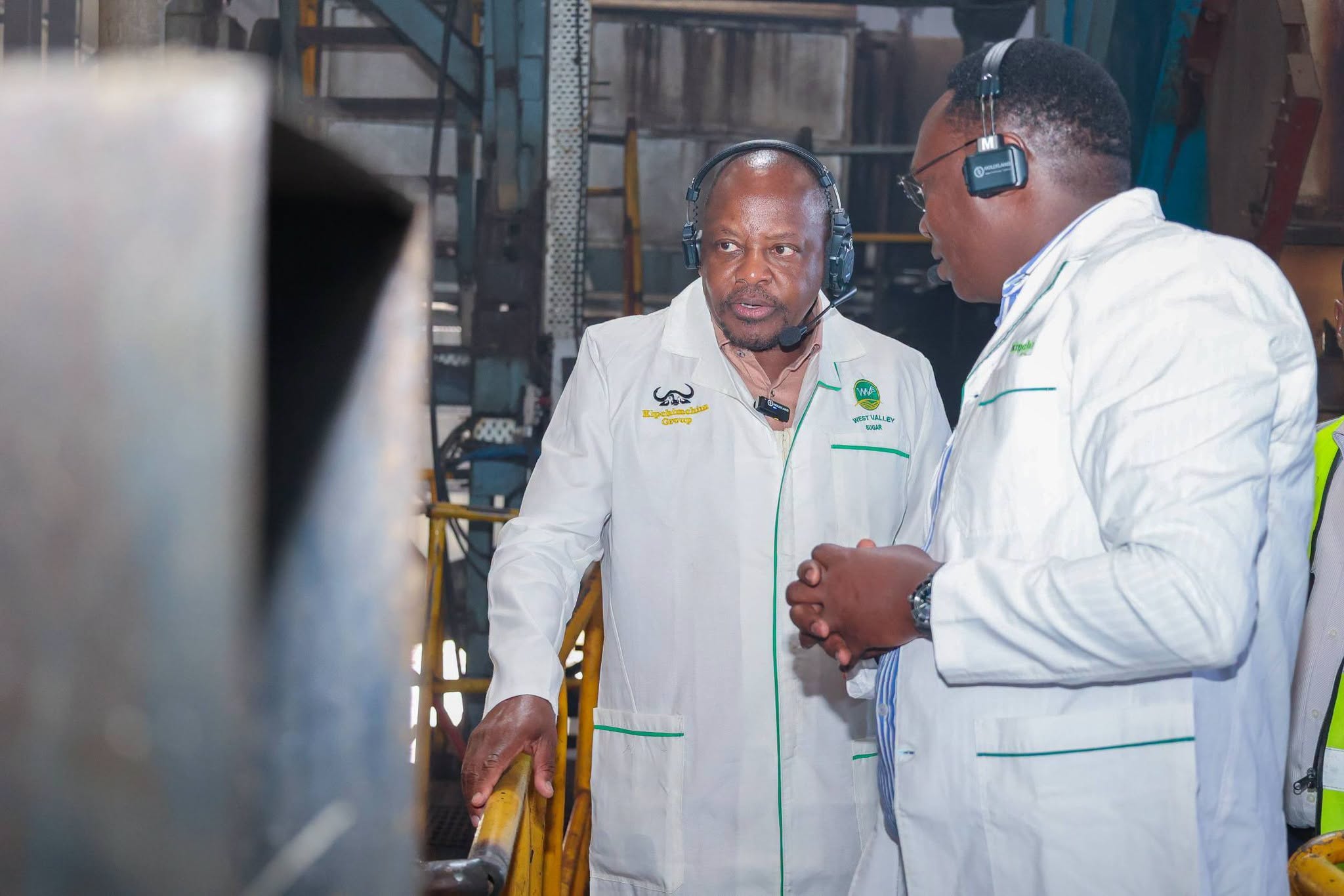
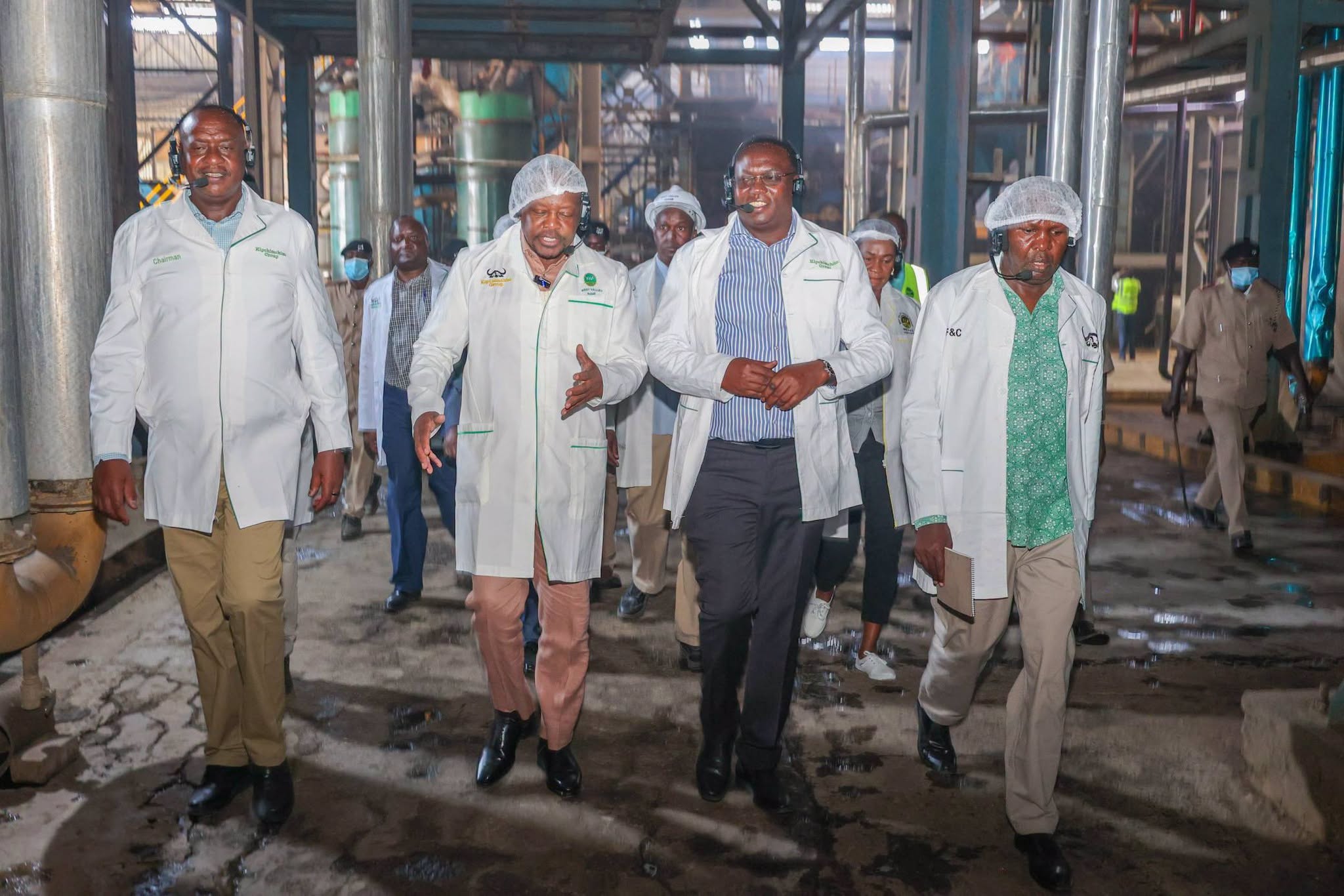
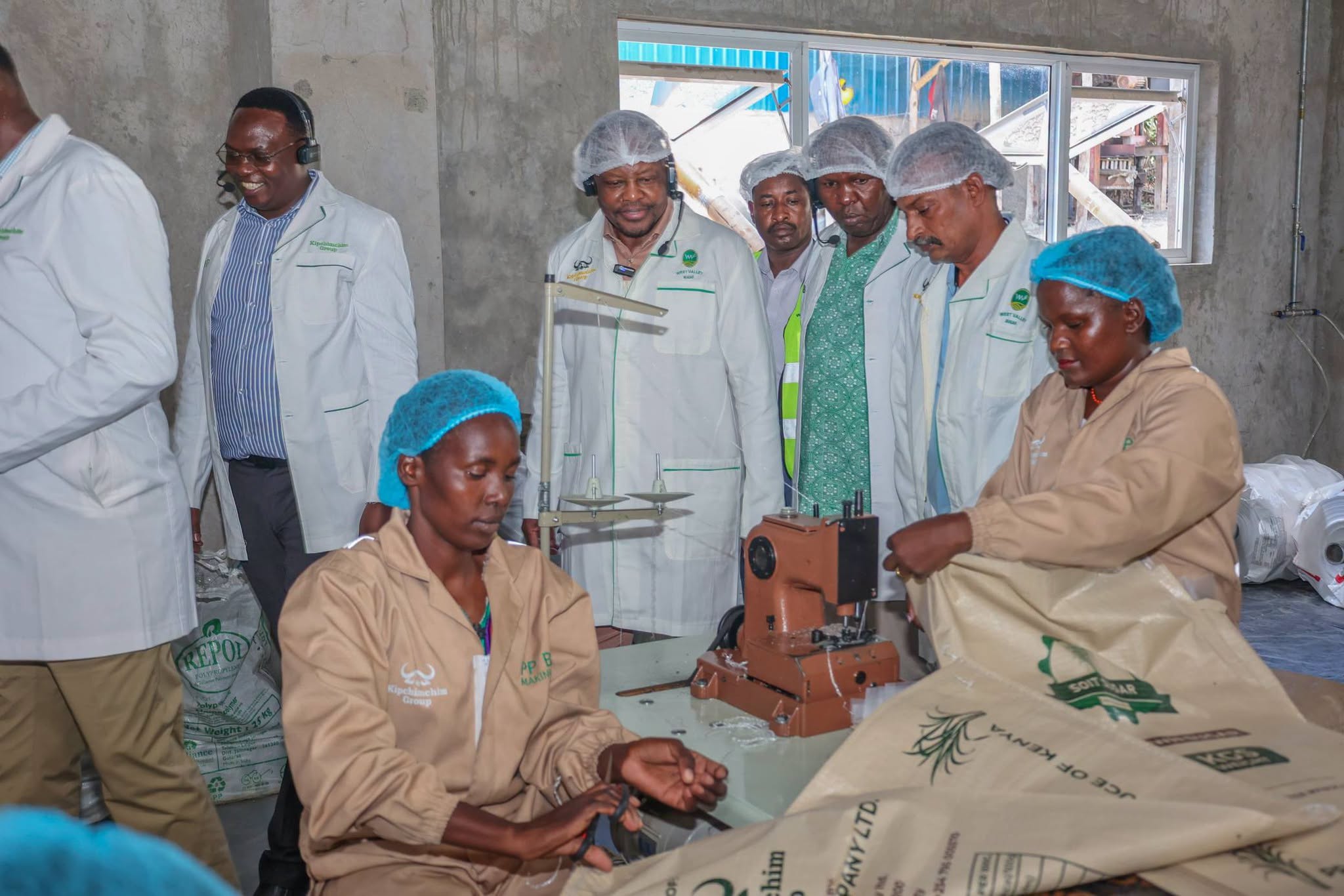
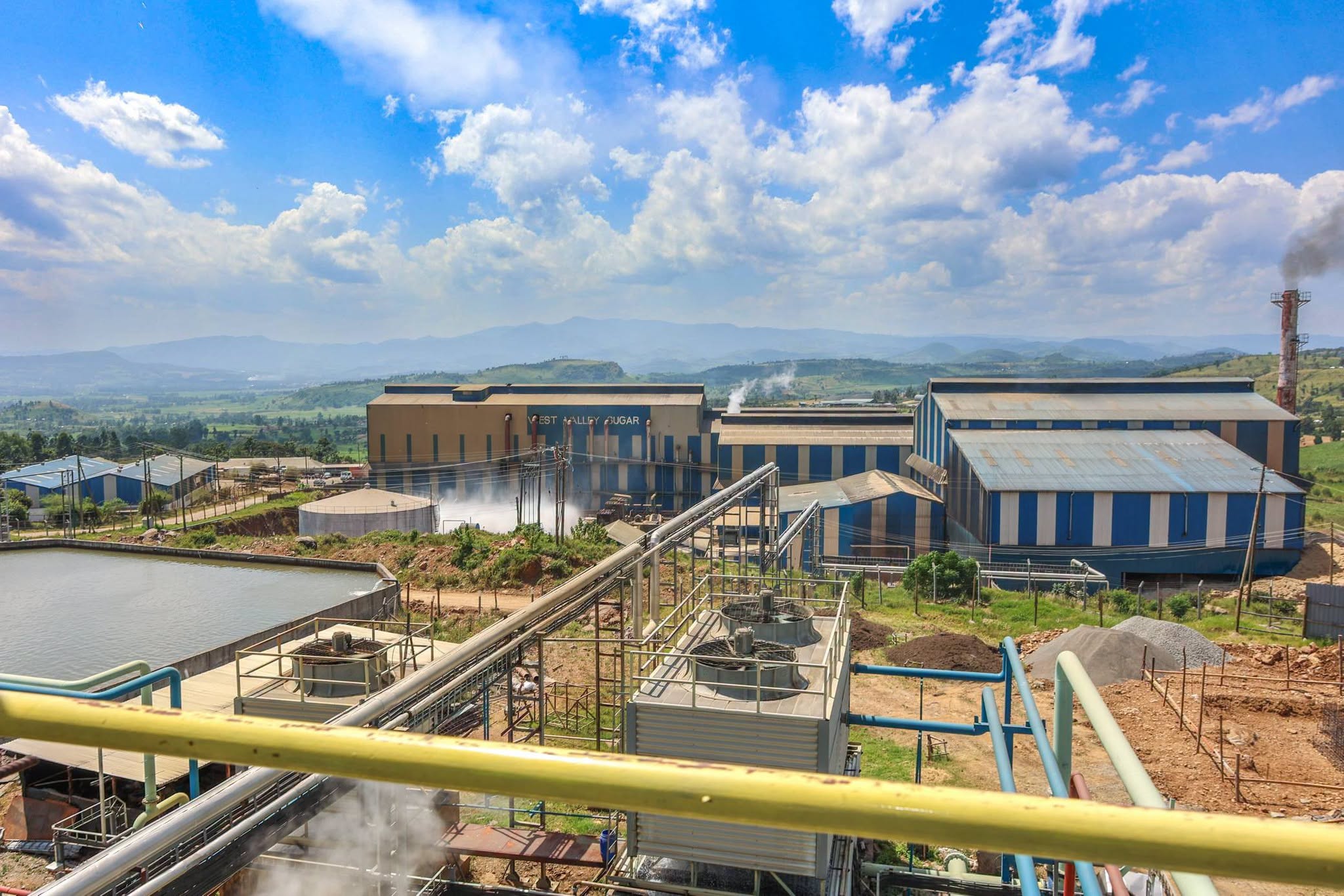
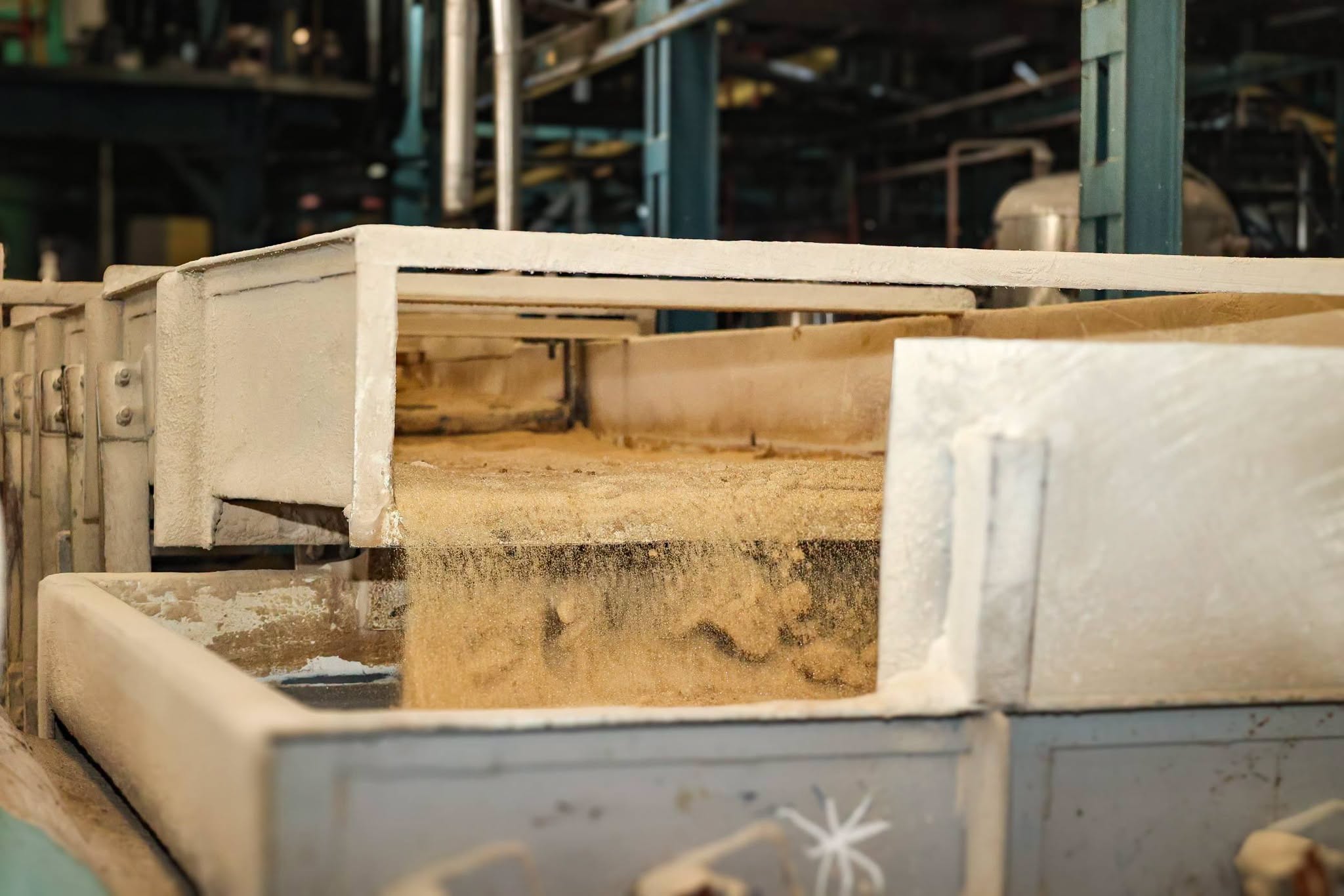
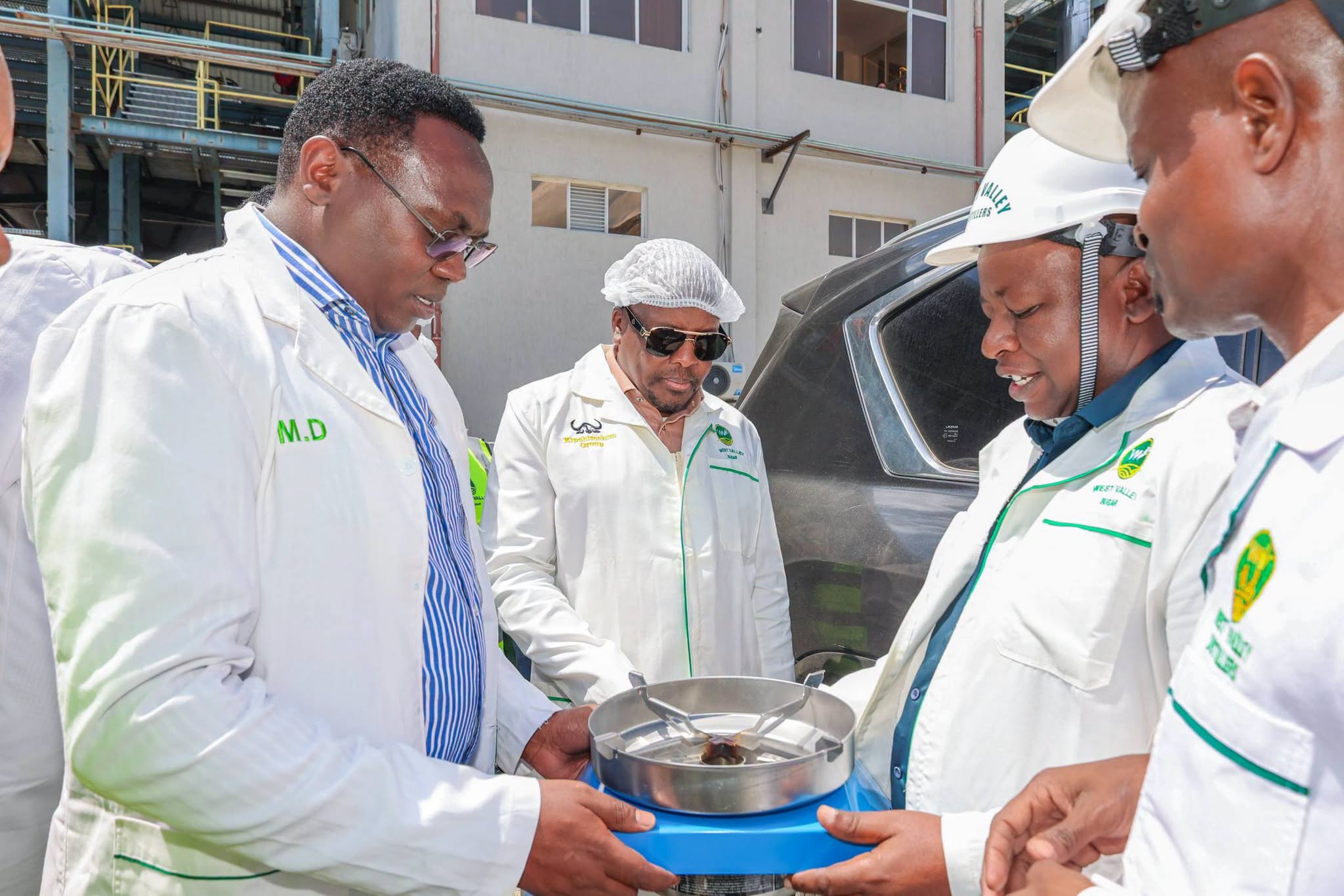
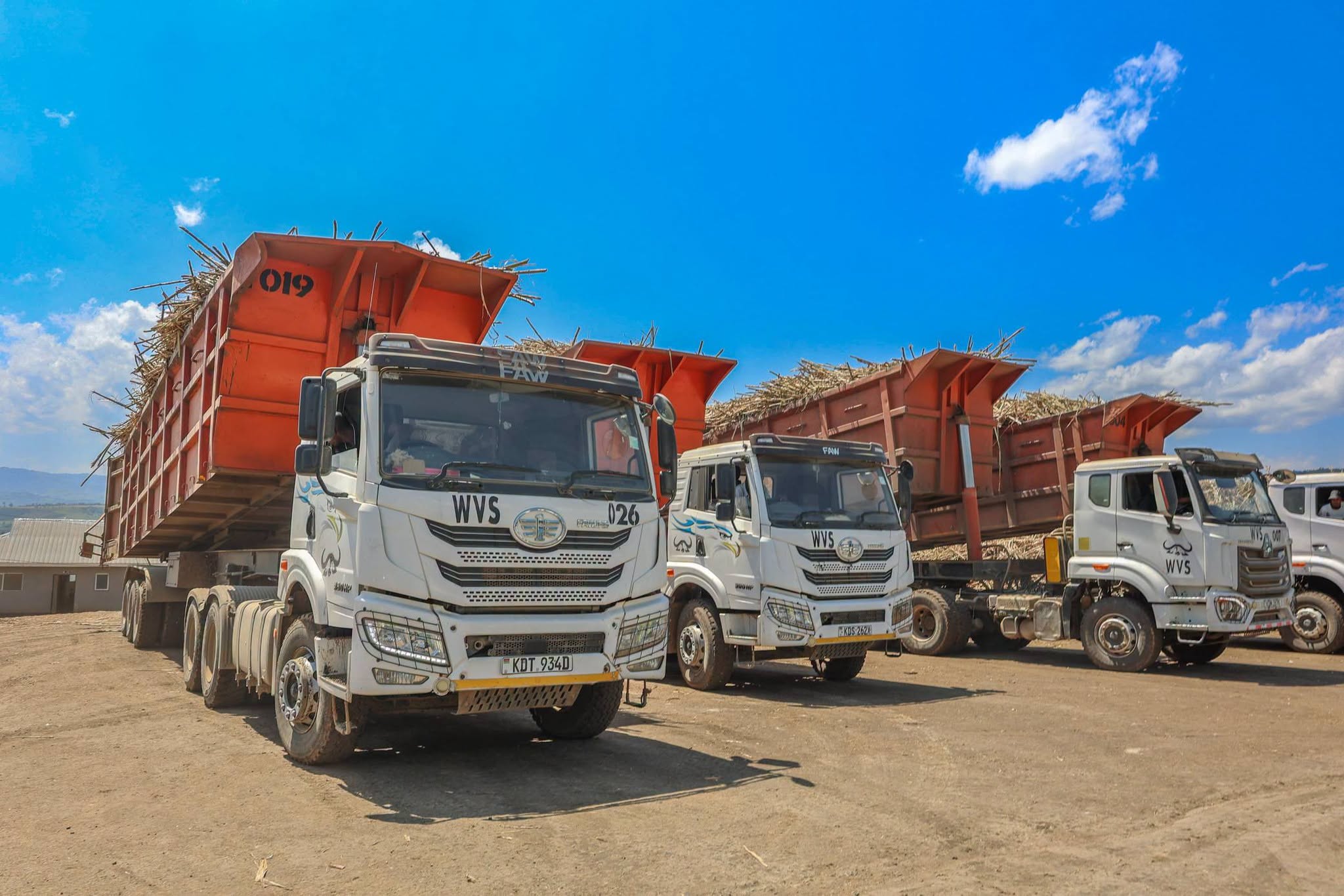
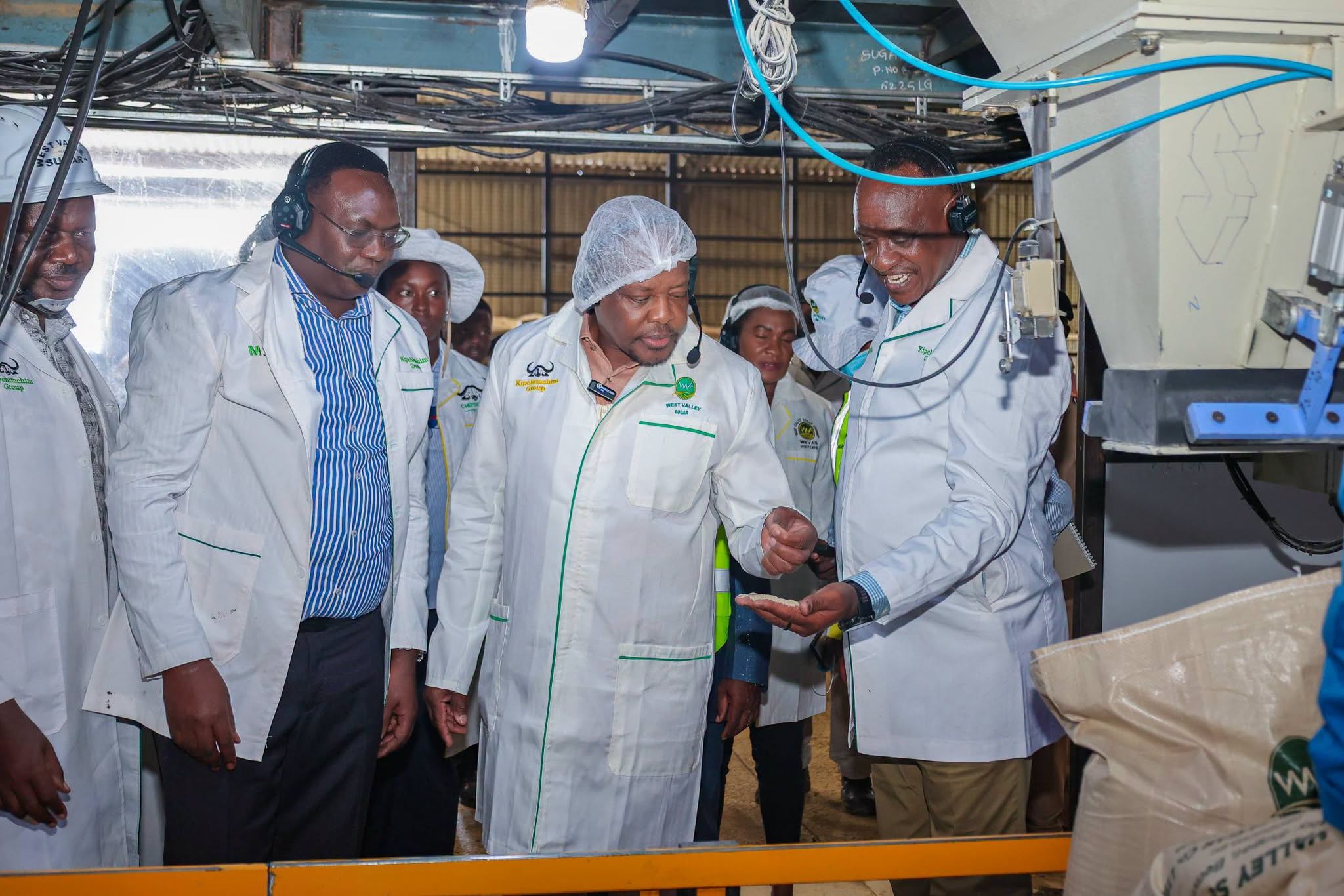
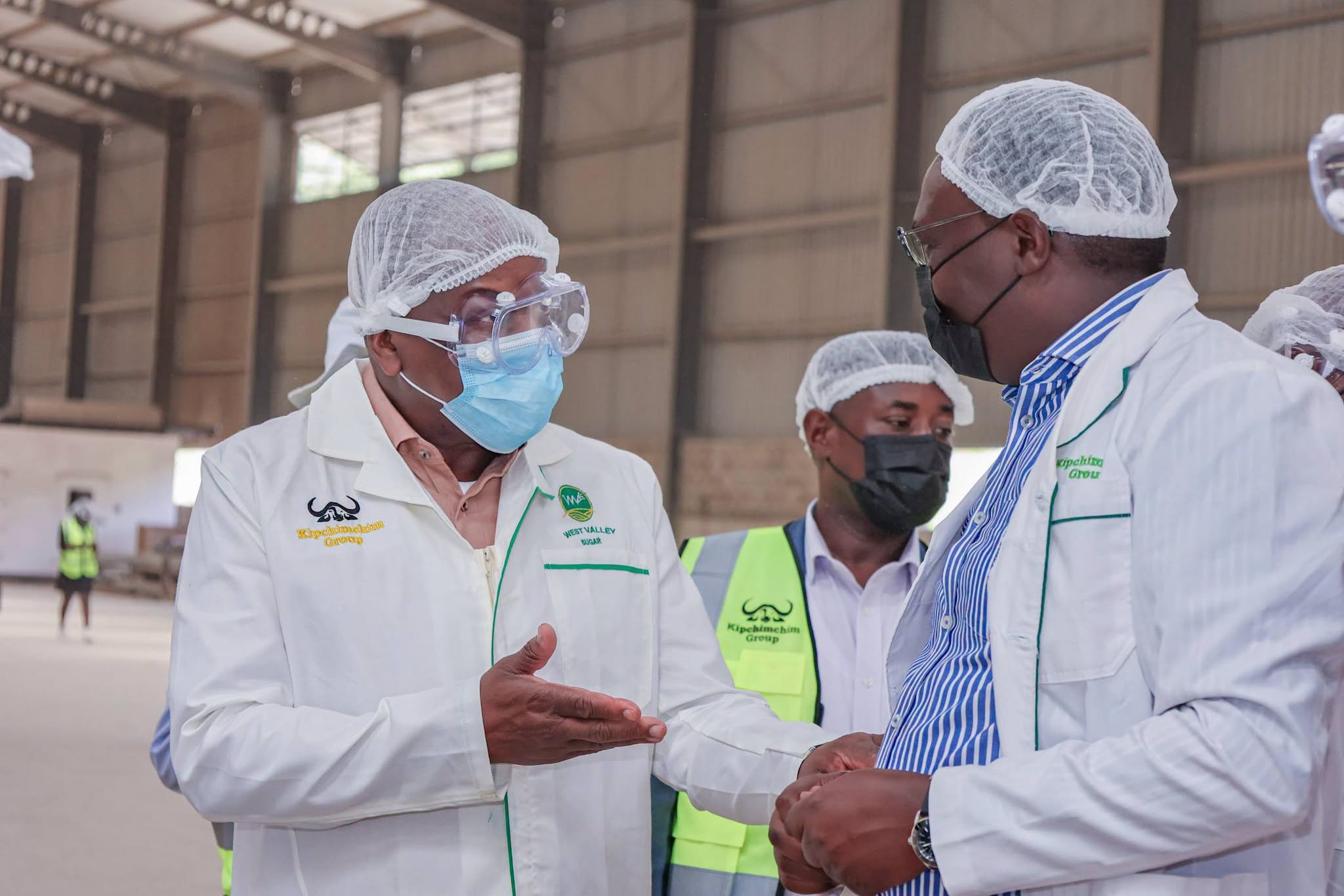
Speaking during a visit to West Valley Sugar Company, a flagship investment under the Kipchimchim Group, Cabinet Secretary Hon. Sen. Mutahi Kagwe said the future of the sugar sector lies in maximizing every component of sugarcane to produce sugar, electricity, ethanol and other industrial products.
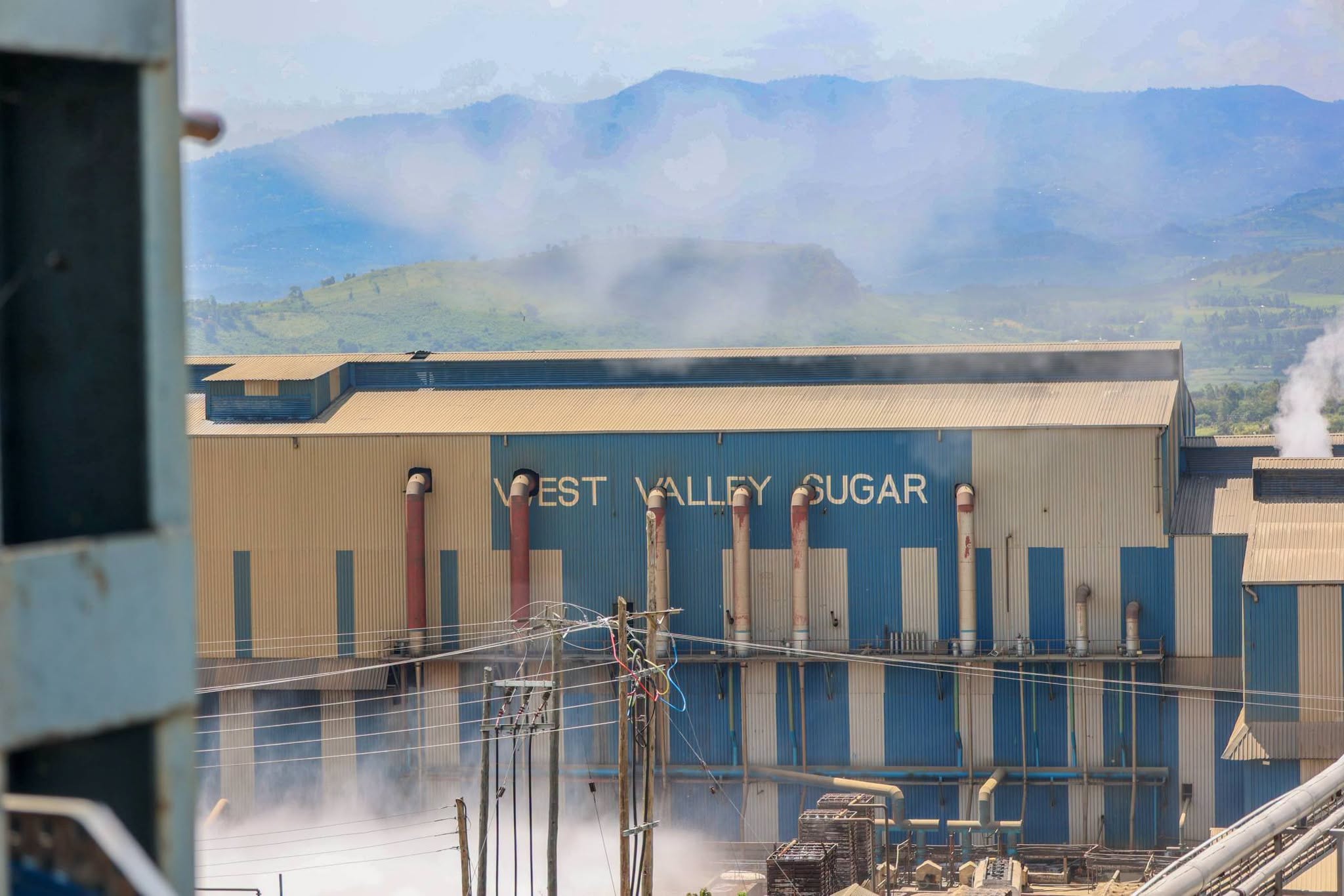
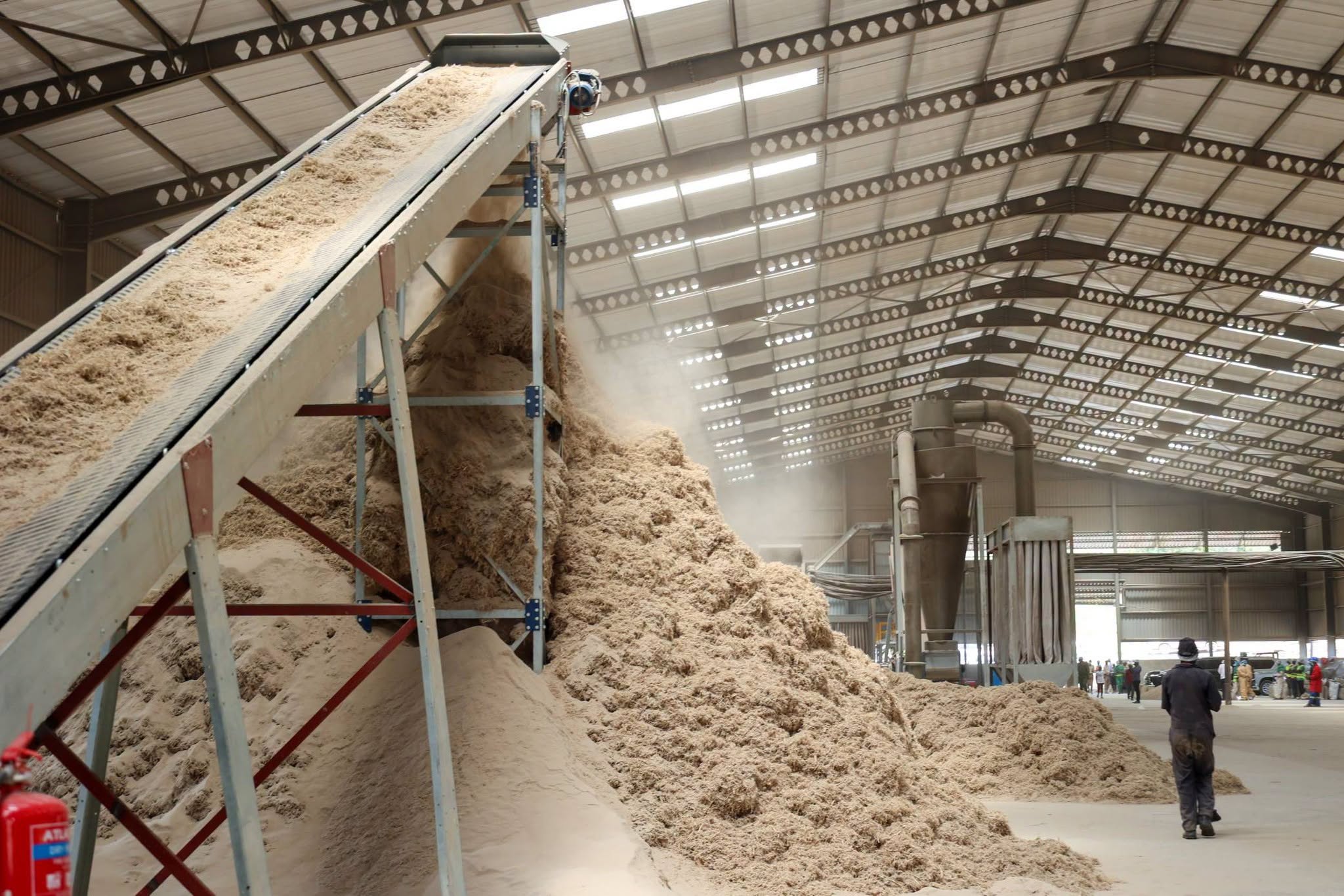
Using West Valley Sugar Company as an example, CS Kagwe noted that the factory is currently generating five megawatts of electricity while utilizing only about 30 percent of its available bagasse.
“West Valley is producing five megawatts of electricity with only a fraction of its bagasse. At full capacity, it could generate up to 15 megawatts. This presents a huge opportunity for Kenya’s energy sector,” said CS Kagwe.
He called for expedited frameworks to enable sugar factories to sell surplus electricity to the national grid, saying cogeneration could create new revenue streams for millers and farmers while reducing dependence on imported energy.
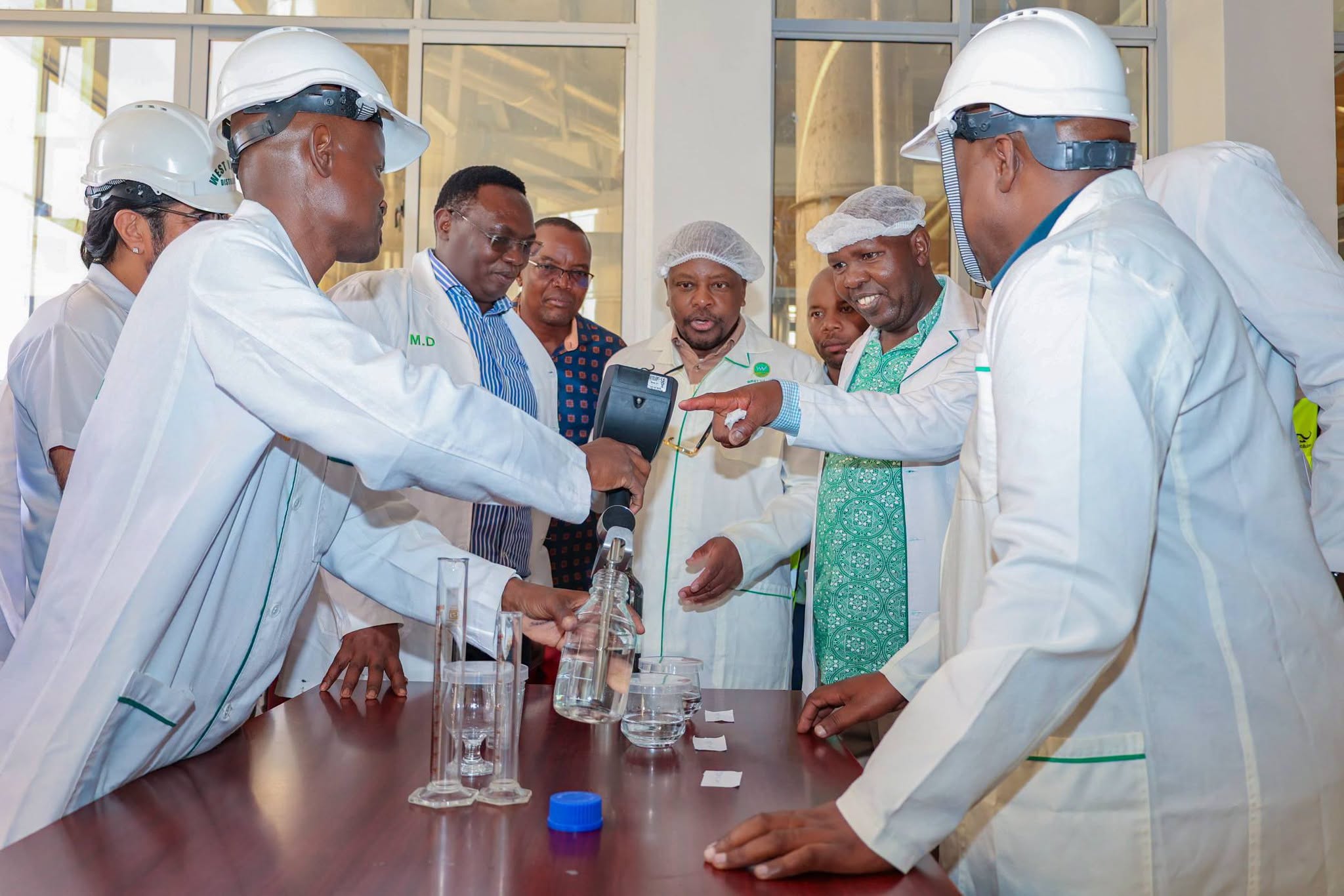
The CS also announced Government support for expanded ethanol production, citing global energy market uncertainties and the need to reduce Kenya’s fuel import bill through ethanol blending programmes.
“If we blend ethanol with fuel, we will save foreign exchange and significantly reduce our dependence on imported petroleum products. Going the ethanol way is what this Government will support,” he said.
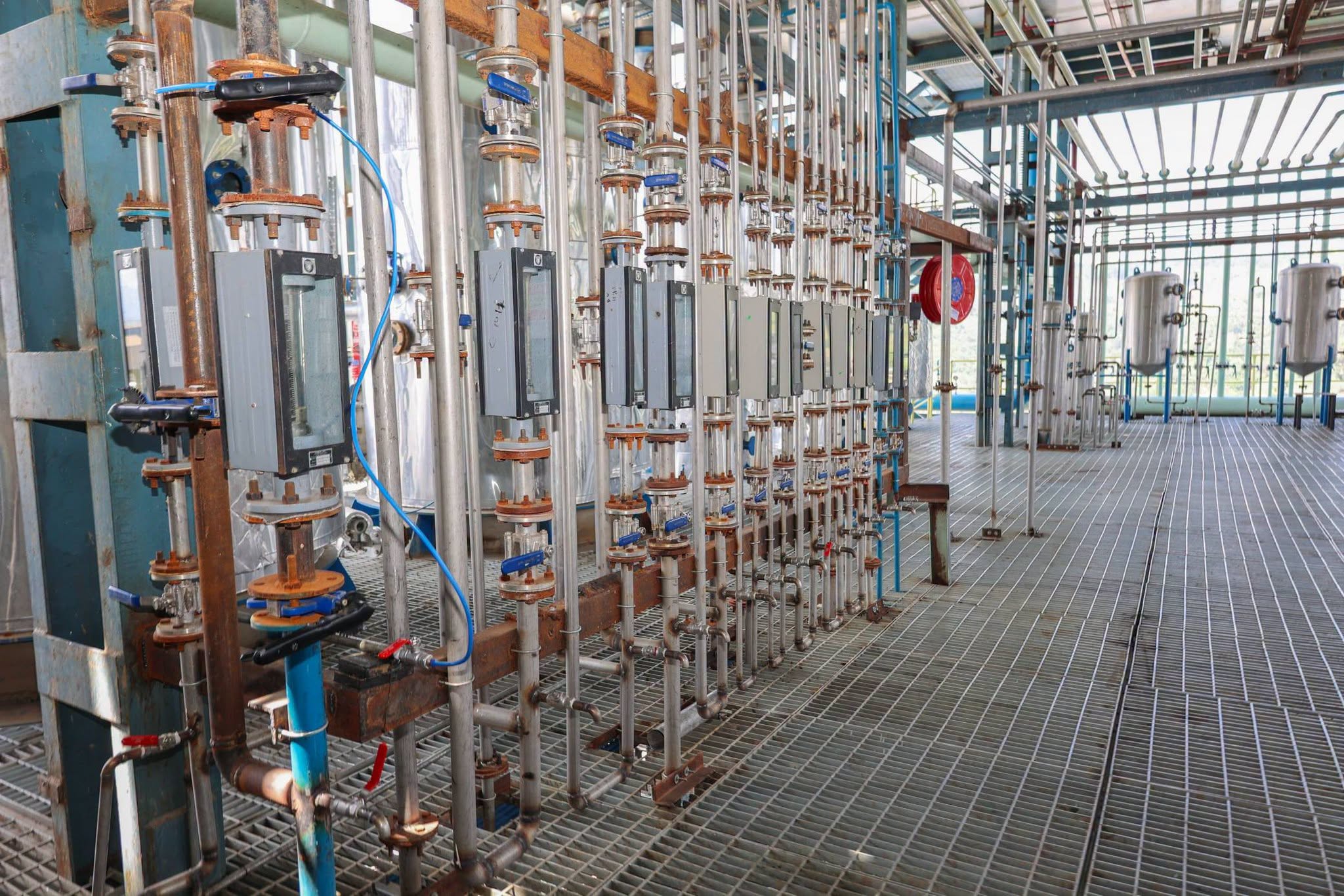
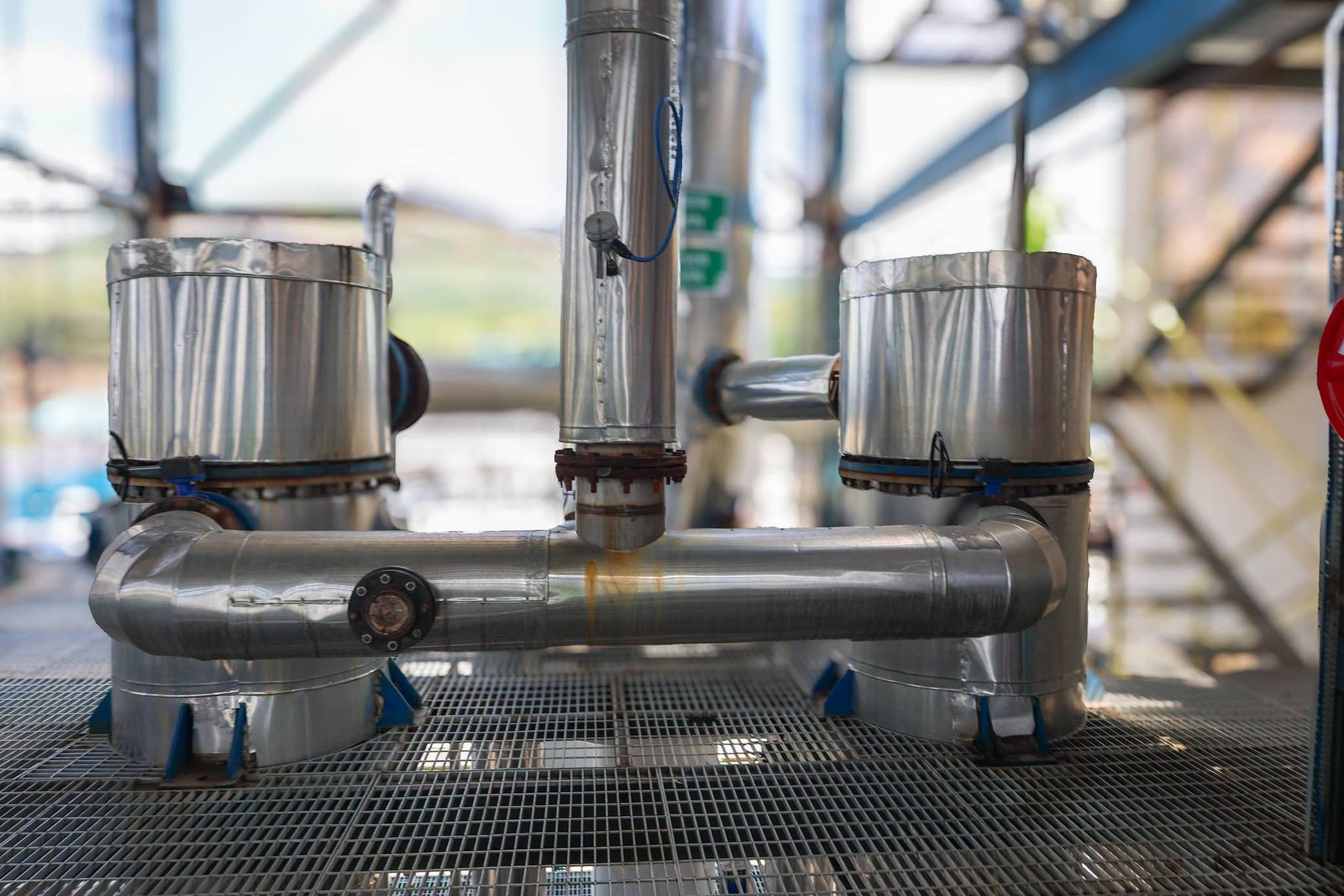
West Valley Sugar Company, owned by the Kipchimchim Group, currently produces approximately 20,000 litres of ethanol daily, a capacity CS Kagwe described as a model for the future of Kenya’s sugar industry.
The CS noted that ongoing reforms in the sugar sector are already bearing fruit, with sugar production increasing by approximately 22 percent over the past year following the leasing of state-owned factories and enhanced farmer support programmes.
He assured workers that outstanding salary arrears inherited from distressed state-owned mills would be settled as part of the sector’s revival.
CS Kagwe further challenged Kenyans to invest in the sugar sector, saying opportunities in sugar, ethanol, electricity generation and value addition should not be left solely to foreign investors.
He also clarified that elections of farmer representatives to the Kenya Sugar Board are governed by law and must be conducted by farmers themselves, adding that proposed legislative amendments are under consideration to address election challenges in some regions.
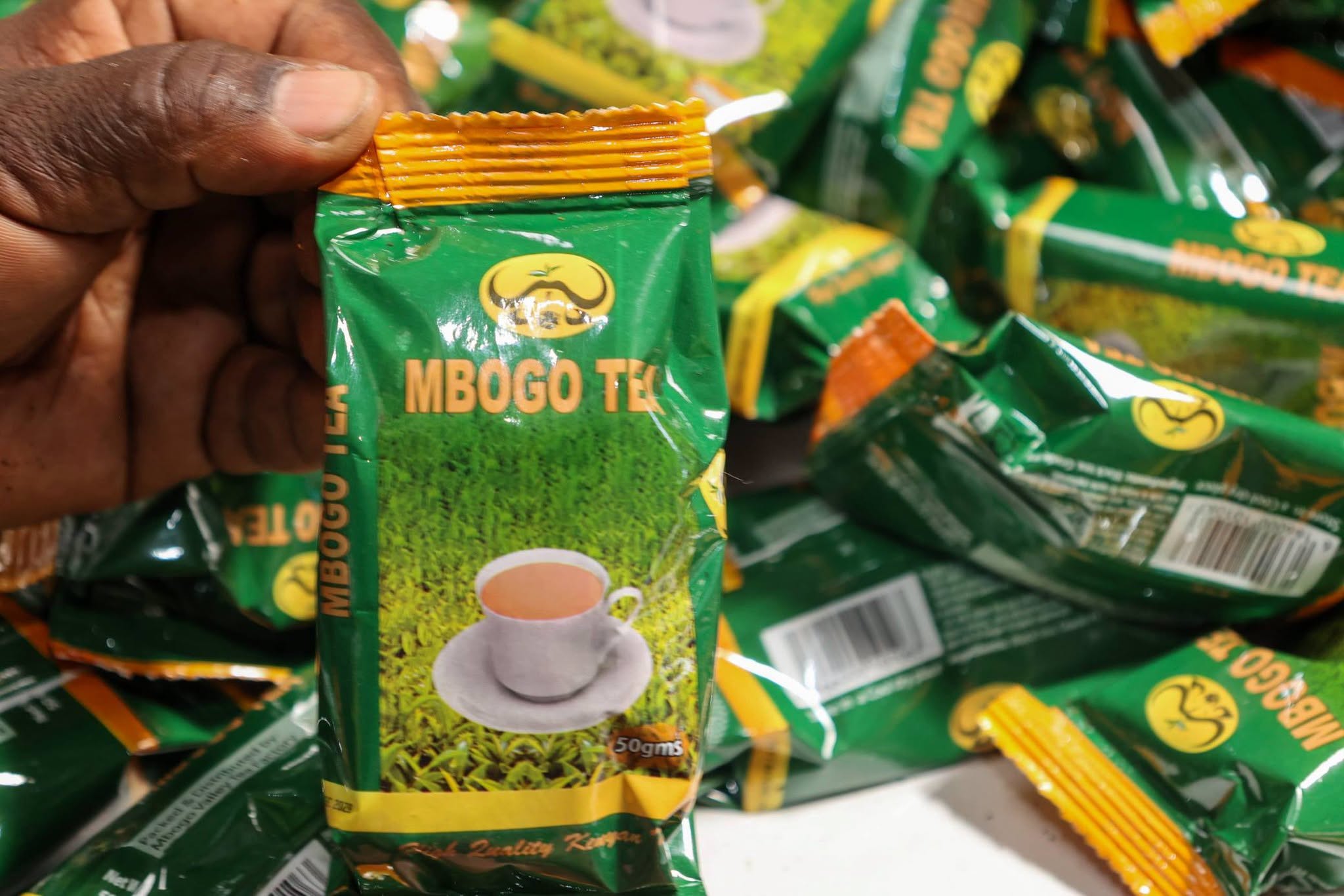
The CS commended the Kipchimchim Group for demonstrating how local investment can drive agricultural industrialization. The Group employs more than 7,000 people across its enterprises and has invested in sugar manufacturing, ethanol production, power generation, retail and logistics.
Present during the visit were Alfred Soi, Chairman of the Kipchimchim Group; Bernard Soi, Managing Director of Kipchimchim Group; Brian Soi, CEO of K-Matt Supermarket; and Samuel Lagat from the Kenya Sugar Board.