H.E President William Samoei Ruto has unveiled a Ksh 5B livestock investment initiative targeting more than 350,000 pastoralists across 21 Arid and Semi-Arid Lands (ASAL) counties, in what is expected to significantly boost livestock production, improve market access and strengthen livelihoods in Kenya’s pastoral regions.
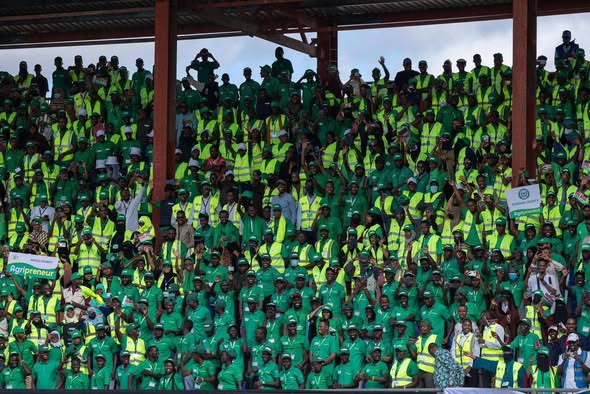
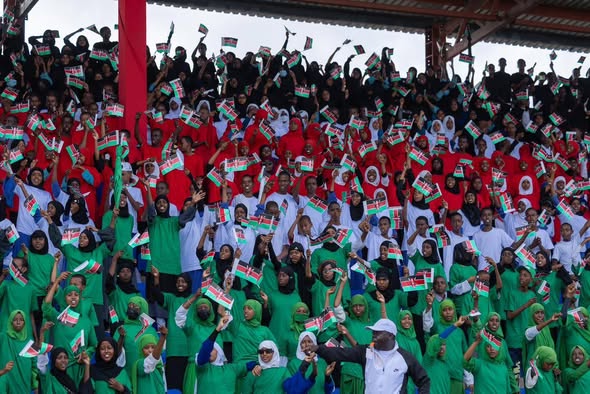
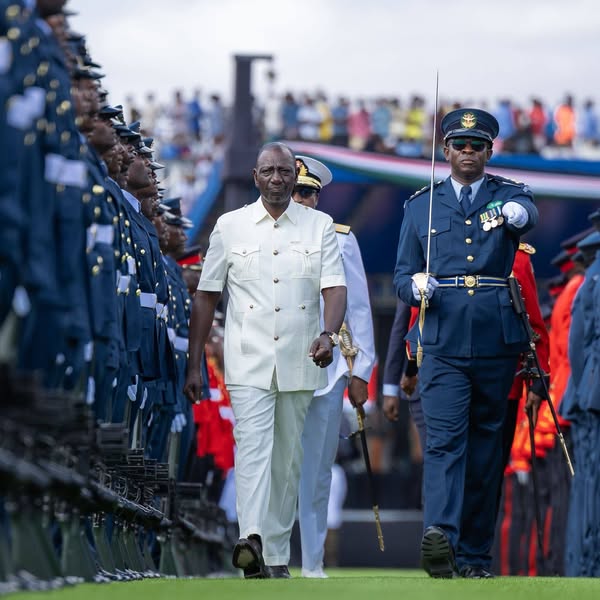
Speaking during the 63rd Madaraka Day celebrations in Wajir County, the President emphasized that livestock farming must be accorded the same priority as crop agriculture, noting that the sector remains a key pillar of the national economy and the primary source of income for millions of households in ASAL areas.
At the heart of the initiative is the establishment of County Livestock Investment Companies, through which pastoralists will be organized to access financing, insurance, markets and value-addition opportunities.
The programme is expected to directly benefit more than two million household members and will be implemented by the Ministry of Agriculture and Livestock Development in collaboration with county governments.
The President also highlighted ongoing government interventions aimed at modernizing the livestock sector, including large-scale vaccination campaigns, livestock restocking programmes, expansion of local vaccine production, rangeland restoration, breeding improvement initiatives and investments in livestock marketing infrastructure.
To further strengthen extension services, the government will deploy additional agripreneurs across ASAL counties to provide technical support, facilitate market linkages and promote climate-smart livestock production systems.
The livestock investment drive forms part of a broader strategy to position Kenya as a regional hub for livestock production and trade while increasing exports of meat, dairy and leather products.
It also underscores the government’s commitment to unlocking the full economic potential of pastoral communities and accelerating the inclusion of historically marginalized regions in national development.